
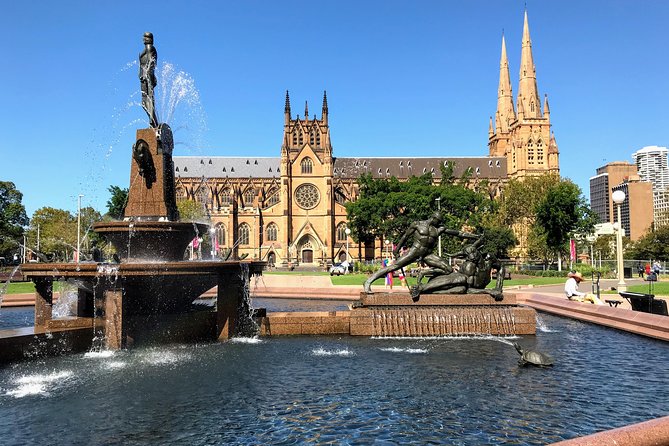
Reviewed · SYDNEY
Discover Sydney
Sydney turns into a game on your phone. This is a self-guided walking trail that uses a clue-based route and a smart device timer to keep you moving and thinking, with 18 answers feeding you the next step. I like that the clock pauses each time you get a clue right, which makes it feel less like a race and more like sightseeing with purpose. I also like that the app offers Help and Hint options if you get stuck. One drawback to consider: if you want a talkative guide and zero puzzles, this is more independent than it is guided.
You start in Pyrmont, work your way past Darling Harbour, the QVB, and the core city sights, then finish in Circular Quay at a pub. You get a team name plus your time on the leaderboard at the end, so it is great for groups who enjoy light competition without pressure. For locals, it is a rare chance to slow down and notice the city instead of just passing through.
In This Review
- Key points before you go
- How the clue trail turns sightseeing into a workout for your brain
- Starting in Pyrmont at 50B Pirrama Rd, what to do first
- Darling Harbour stop: using clues to see what you might normally miss
- The Sydney streets leg and the QVB: where problem-solving meets iconic architecture
- Circular Quay ending at a pub: turning the finish line into a real reward
- How the leaderboard and pausing timer change the experience
- Price and value for a 2 to 3 hour group activity
- When a self-guided trail is a great fit, and when it is not
- Practical tips to make your 2.5 hours feel smooth
- Should you book Discover Sydney with Trixity Trails?
- FAQ
- How long does Discover Sydney take?
- How does the clue system work?
- How many clues are there in total?
- Where does the tour start and where does it end?
- Is it only for my group or do I join strangers?
- How much does it cost and what is the group size?
- What is the tour route?
- Is cancellation free?
- Is the activity near public transportation?
Key points before you go
- Self-guided, clue-by-clue route that keeps you focused on what to see next
- Clock pauses on correct answers, so you can take your time
- 18 total clues with Help and Hint options if you get stuck
- Designed for groups up to 6 at a single price, so value can be very strong
- Finishes at a pub in Circular Quay, an easy win for a natural break
How the clue trail turns sightseeing into a workout for your brain
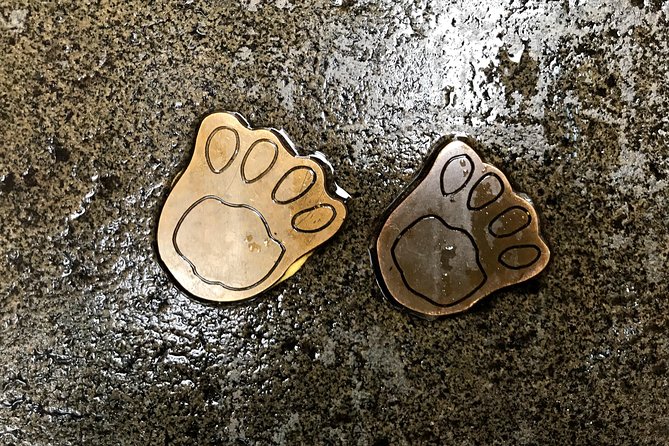
The clever part of Discover Sydney is that it does not just point you at famous places. It turns the walk into a sequence of quick challenges. You solve one clue, submit the answer, then the app sends the next one. That simple loop changes your experience immediately, because you stop drifting and start scanning your surroundings for details.
I like that the app is set up to be beginner-friendly. Each question is described as easy, and the system includes Help and Hint options when you stall. You are not left stranded staring at your phone, wondering if you are doing something wrong. If you really need to, you can also use your device to look things up.
The thinking part stays light. This is not a deep trivia exam. It is more like a way to get your brain engaged while your feet do the walking. Even if you are not naturally a puzzle person, it can still work because the clues keep you oriented, and you are basically doing pattern-spotting in real locations.
Starting in Pyrmont at 50B Pirrama Rd, what to do first
Your start point is 50B Pirrama Rd, Pyrmont NSW 2009. The activity ends back at the meeting point, so you are not committing to a one-way walk with a complicated return plan.
Before you move, do two practical things:
- Make sure your team has one phone ready for clue input.
- Pick a team name before you start, since it shows on the leaderboard later.
Timing matters too. The trail is listed at about 2 hours 30 minutes (roughly 2 to 3 hours). That is an ideal length for a half-day vibe without stealing your whole day. And the pace is flexible because the clock stops every time you get an answer correct. So if you want photos, a breather, or a quick reroute around foot traffic, you can do it without the timer feeling punishing.
Also, because this is a private tour/activity, only your group participates. That is a big deal for comfort, especially if you have a team dynamic like coworkers, friends, or a mixed group of locals and visitors.
Comparing before you commit? These cover similar ground in Sydney:
- Sydney: Opera House Guided Tour with Entrance Ticket★ 4.8 · 8,312 reviews
- All Inclusive Blue Mountain,Scenic World,Lunch,Koalas,ferry★ 5.0 · 7,832 reviews
- From Sydney: Blue Mountains Full-Day Trip★ 4.5 · 4,471 reviews
Darling Harbour stop: using clues to see what you might normally miss
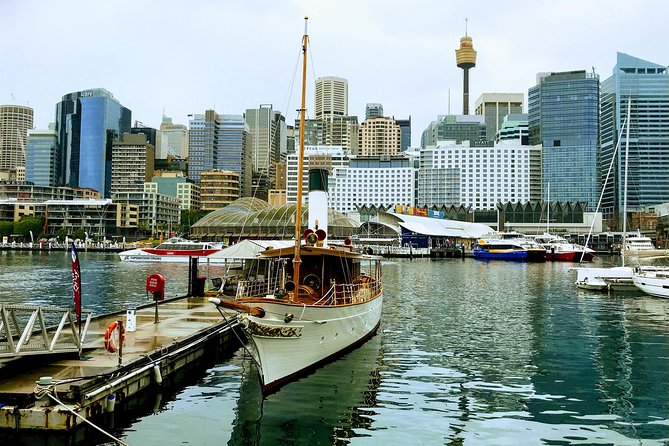
Stop 1 is Darling Harbour. This is a smart opening location because it gives you a lot to look at right away, and it is easy to spot your way once you are moving. The clue format makes a difference here. Instead of wandering, you are looking for specific answers tied to the area.
What you should expect at this stage:
- A short warm-up where the app gets you into the rhythm of solving clues.
- A focus on noticing details in the built environment around the harbour precinct.
- A walk that keeps you from overthinking logistics.
A small consideration: Darling Harbour can be busy depending on the day. Even if the area is crowded, the trail format helps because you are not just stuck waiting for space. You are still progressing from clue to clue, and the app keeps you from turning one crowded block into a lost afternoon.
If you are the type who usually says I will get around to seeing this later, this part helps you start using your eyes immediately.
The Sydney streets leg and the QVB: where problem-solving meets iconic architecture
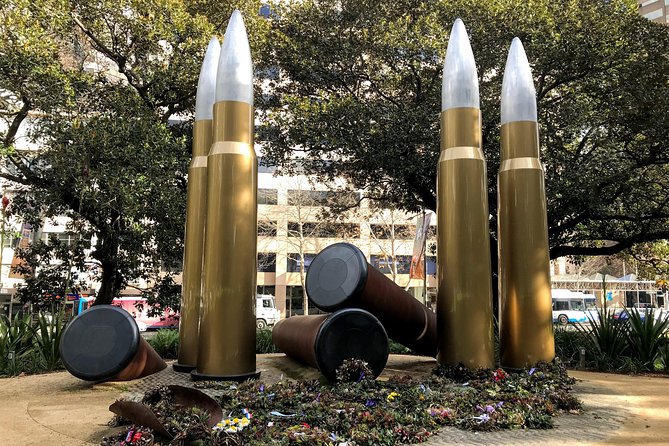
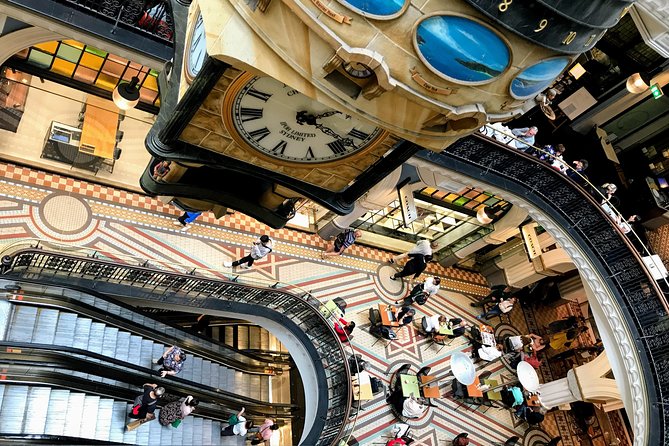
Your itinerary then moves into central Sydney areas before you reach Stop 3 at the Queen Victoria Building (QVB). Since the route is clue-led, this middle stretch is less about following a strict sight list and more about being guided by prompts.
Here is what I think works well about this section:
- It gives you a change of scenery as you shift from harbour-side to city-centre streets.
- The QVB stop is a natural anchor, because it is a place people often pass by or glance at quickly.
- Having clues here encourages you to slow down and actually focus on the building rather than treating it as scenery.
One practical tip: if you like moving as a group, set a quick agreement early. For example, decide how you will handle clue reading. If one person is the clue-reader and others keep walking, you can lose time when the app sends the next question. A simple strategy is to pause together when a clue triggers a submit moment. It keeps the team feeling like a team, which is the whole point of the leaderboard.
Also, because you can use Help and Hint, you can keep momentum even if someone spots the answer slower than expected. That matters for groups with different energy levels. You are not forcing everyone to think at the same speed.
Circular Quay ending at a pub: turning the finish line into a real reward

Stop 4 is Circular Quay, and the trail ends in a pub in that area. That end choice is more than convenient. It changes the vibe from active problem-solving to social decompression.
After about 2 to 3 hours of walking and clue solving, a pub finish gives you:
- A clear end point so you are not guessing when the experience is done.
- A natural chance to regroup, compare clue answers, and check your leaderboard time.
- A low-pressure way to keep hanging out without scrambling to find somewhere on short notice.
Circular Quay is a landmark area in its own right, so even without any extra narration, you get a meaningful conclusion. And because the clock pauses on correct answers, you can take your time arriving at the finish. You do not have to sprint to the end just to feel like you completed something.
If your group likes light competition, seeing your team name and time on the leaderboard is a fun closer. It is also great for team events because it gives everyone something shared to talk about in the pub, from tricky clues to easier wins.
Another way to fill the same day out of Sydney:
- Blue Mountains Small-Group Tour from Sydney with Scenic World,Sydney Zoo & Ferry
★ 5.0 · 3,709 reviews




How the leaderboard and pausing timer change the experience

The app uses a smart loop:
- You select Next Clue.
- The clock starts.
- When you get an answer correct, the clock stops for that clue moment.
- You then choose Next Clue again to start the timer for the next step.
That design does two helpful things.
First, it reduces the stress factor. If you are in a crowded city, you are going to slow down sometimes. The paused clock means your time is tied more to decision-making and movement than to random foot traffic delays.
Second, it encourages a collaborative rhythm. People naturally want to discuss and confirm answers. Even if you have one person who likes puzzles, it tends to pull the rest of the group in, because someone else will spot a detail, ask a question, or suggest what the clue might be pointing toward.
There is also a clear structure: 18 clues total. Knowing the number helps. It feels like you are progressing through stages, not guessing when the experience ends.
Price and value for a 2 to 3 hour group activity

The price is $39.45 per group, and the group size is up to 6. That is where the value can get surprisingly strong.
If you go with the full group size, the effective cost per person is about $6.58 for the full trail duration. Even if you do not hit 6 people, the per-person cost is still often reasonable for a 2 to 3 hour activity that keeps everyone engaged.
Compared to paid guided tours, the big value move is that you are not paying per person for a staff-led experience. You are paying for the route system and the clue flow. For groups, especially teams and families, that can be a win.
One more detail that matters for planning: the experience is typically booked on average 95 days in advance. That is a sign it is popular, so if you have specific dates in mind, lock it in earlier rather than assuming you can do it last minute.
When a self-guided trail is a great fit, and when it is not
This kind of activity works best for groups who like being active and solving small challenges together. The supplied feedback points to strong enjoyment for team settings and for people who want a fresh way to see Sydney, whether you are a visitor or a local who wants to break out of the usual routine.
You will probably enjoy it if:
- You want an activity that feels social and interactive, not just sitting in a vehicle.
- You prefer a flexible walking plan instead of a rigid schedule with constant talking.
- Your group can share phone control and participate in answering.
You might want to rethink it if:
- Your group strongly prefers a guide explaining history and stories in depth. This is clue-led, not commentary-led.
- People in your group dislike puzzles or get frustrated by question-and-answer formats, even with Help and Hint available.
- You want to do very short, stop-and-go sightseeing with minimal walking. This is designed for a steady 2 to 3 hour trail.
Practical tips to make your 2.5 hours feel smooth
A self-guided city trail is simple, but small prep makes it better.
Plan for comfort:
- Wear shoes that can handle walking.
- Keep water handy, especially if the day is warm.
Plan for teamwork:
- Decide how you will share clue-solving. You do not want one person stuck doing everything while others wander off.
- Pause together when you submit an answer, so you do not lose the next instruction moment.
Plan for focus:
- Since there are 18 clues, your attention matters. If you keep bouncing between major distractions, you will slow down more than you think.
- If you do get stuck, use Hint before you let the group spiral. It is there to keep progress moving.
Plan for a satisfying finish:
- If you want to keep the pub vibe going, plan your pub timing so the finish does not feel rushed.
- Use the last part to regroup and decide what you want to do after the trail ends back at the meeting point.
And if your day gets crowded, remember this trail is built to handle real-world city conditions. The clue rhythm helps you keep moving, and the paused clock gives you breathing room.
Should you book Discover Sydney with Trixity Trails?
I would book it if you want a hands-on, group-friendly way to see Sydney without committing to a formal guided tour. The clue system, the fact that the clock pauses on correct answers, and the pub finish in Circular Quay make this feel like an activity, not just a walk. If you are organizing a team outing, it is especially strong because everyone gets involved in the same challenge.
Skip it if your idea of a great Sydney day is mostly guided storytelling, or if your group hates puzzles and would rather do open-ended sightseeing with zero app interaction. In that case, you might prefer a traditional tour or a self-guided route without Q and A.
FAQ
How long does Discover Sydney take?
It is designed to take about 2 hours 30 minutes, with an expected total time of roughly 2 to 3 hours.
How does the clue system work?
You receive a series of clues on your smart device. Submit the answer, and when you get it correct you receive the next clue. You can also use Help and Hint options if you get stuck, and you can look things up on your device if needed.
How many clues are there in total?
There are 18 clues in the trail.
Where does the tour start and where does it end?
It starts at 50B Pirrama Rd, Pyrmont NSW 2009, Australia. The activity ends back at the meeting point.
Is it only for my group or do I join strangers?
This is a private tour/activity. Only your group participates.
How much does it cost and what is the group size?
The price is $39.45 per group for up to 6 people.
What is the tour route?
It goes through Darling Harbour, Sydney areas, the Queen Victoria Building (QVB), and ends in Circular Quay at a pub.
Is cancellation free?
Yes, free cancellation is available. You can cancel up to 24 hours in advance for a full refund.
Is the activity near public transportation?
Yes, it is near public transportation.
Latest Sydney additions
- Sydney: Surry Hills Private Food Tour with +8 Local Tastings
★ 5.0 · 1 review - Sydney: Hunter Valley Wine Tour – Choc, Dumplings & Oysters
★ 5.0 · 1 review - Private Transfer FROM Sydney Downtown to Sydney Airport 1-2 pax
★ 5.0 · 1 review - Sydney Harbour Melbourne Cup Cruise
★ 5.0 · 1 review - Sydney: Brewery, Winery, and Distillery Tasting Tour
★ 5.0 · 1 review - Sydney: Watsons Bay Walking Tour
★ 5.0 · 1 review - Sydney: City Hike with Opera Bar Lunch
★ 5.0 · 1 review - Overnight Harbour Cruise Experience
★ 4.0 · 1 review