
Reviewed · SYDNEY SCAVENGER HUNTS
Sydney Cockatoo Island Escape: Convict Adventure Game
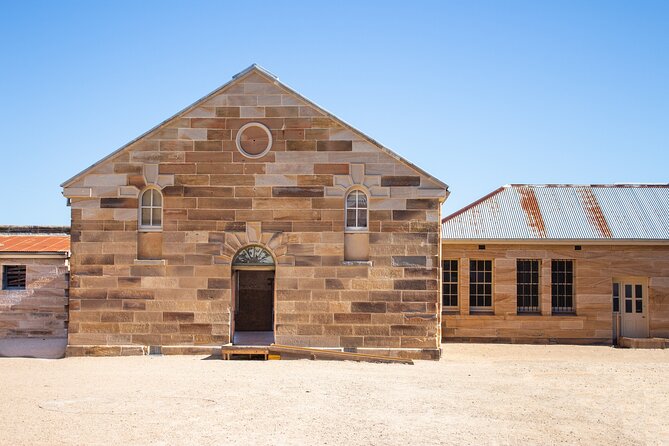
Chains, clues, and coastal tunnels await. This self-guided convict escape game turns Cockatoo Island into a walk-through mystery, using real prison-era spots as the backdrop for your breakout plan. I like that it’s story-led without a guide, so you can pause, think, and move at your own speed. I also like the value, it costs only about $7.28 per person and still gives you a full stretch of interactive challenges across multiple dock and precinct areas.
One consideration: the game relies on directions and landmark prompts, and I recommend you expect the occasional wrong turn or outdated cue so you might need to backtrack and keep your phone handy.
In This Review
- Key highlights at a glance
- Why Cockatoo Island fits a convict escape game so well
- Price and time: what $7.28 really buys you
- The self-guided format: how to get the most out of the clue trail
- Stop-by-stop: what you’ll do at each checkpoint
- Muster Station: your first puzzle in the convict mindset
- Cockatoo Island waterfront campground: turning atmosphere into clues
- Woolwich clue point (5529+VQW): a checkpoint that rewards attention
- Sutherland Dock: where the docks make the story feel real
- Fitzroy Dock: the puzzle momentum continues
- Historic Residence Precinct: learning without being lectured
- Convict Precinct: finish strong at the final destination
- What I’d watch for: game glitches, wrong cues, and how to respond
- Who this convict escape game is best for
- Practical logistics: start point, end point, and pacing
- Should you book the Cockatoo Island Convict Adventure Game?
- FAQ
- How long does the Cockatoo Island Convict Adventure Game take?
- Where do I start and where does the game end?
- Do I need a tour guide for this experience?
- What do I need to access the game on my phone?
- How many puzzle challenges are included?
- Can I pause and resume during the game?
- Is it a private activity?
- Can I cancel for free?
Key highlights at a glance
- 15 puzzle challenges spread across the route, so you’re never just “wandering.”
- Mobile access code and a mobile ticket style setup, built for easy self-guiding.
- Your group only with a private feel, great for friends and families who want their own pace.
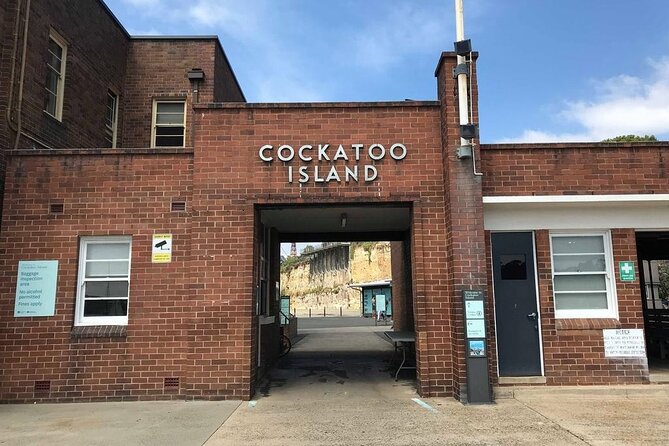
- Start on Cockatoo Island and finish at Convict Precinct in Birchgrove, which helps structure the day.
- You control the timing at each stop, with built-in flexibility to pause and resume.
Why Cockatoo Island fits a convict escape game so well
Cockatoo Island is the kind of place where the setting does half the storytelling for you. Old yards, docks, and prison precinct areas already feel like a movie set, and this game makes you move through them like a person trying to get out, not just a tourist taking photos.
The big win is that you’re not stuck in one room solving one puzzle. The experience keeps you walking from checkpoint to checkpoint, where each location becomes a clue or a piece of the plot. Even if you’re not a history buff, you still get the emotional effect because the game uses the island’s real convict-era layout as its game board.
Also, the format is built for different group types. If you enjoy puzzles, you’ll stay engaged. If you just want something active and different from a standard island stroll, you can treat each stop like a short mission instead of a long grind.
Price and time: what $7.28 really buys you
At about $7.28 per person, this is one of those deals that works best when you compare it to the cost of a guided experience plus a couple of admission tickets. Here, you’re paying for the game structure, the clue path, and the interactive storyline.
The time window is roughly 1 hour 20 minutes to 1 hour 50 minutes, which is a sweet spot for a self-guided activity. It’s long enough to feel like you did something meaningful, but short enough that you can still layer it with other things in Sydney the same day.
You’ll see that the stops are designed to be flexible. At each location, you can spend as much time as you wish until you start the next clue. That matters because puzzle walks are not the same for everyone. Some groups sprint through challenges, others slow down to read and compare clues.
More puzzle walks around the city:
- Explore Sydney’s Secrets In A Series Of Fun Cryptic Clues★ 5.0 · 23 reviews
- Explore The Rocks Sydney In A Series Of Fun Cryptic Clues★ 4.0 · 13 reviews
- Quiz Room Sydney Immersive Trivia Game★ 5.0 · 7 reviews
The self-guided format: how to get the most out of the clue trail
This is a self-guided puzzle walk, which means there’s no guide herding you from step to step. You follow clues to reach each checkpoint, then solve interactive challenges tied to the storyline. A mobile access code powers your experience, and there are 15 puzzle challenges across the route.
That setup can be great. It turns the island into a choose-your-own-pace adventure, and it keeps the pressure off. If your group hits a tricky moment, you can pause, regroup, and try again without anyone saying you’re running out of time.
The tradeoff is that the game is dependent on its instructions. Based on real feedback, I recommend you stay alert for occasional wrong directional prompts or cue issues, and be willing to backtrack rather than forcing yourself forward. In practice, that’s easy to handle, as long as you give yourself a little margin and don’t treat every step like an exact GPS route.
Stop-by-stop: what you’ll do at each checkpoint
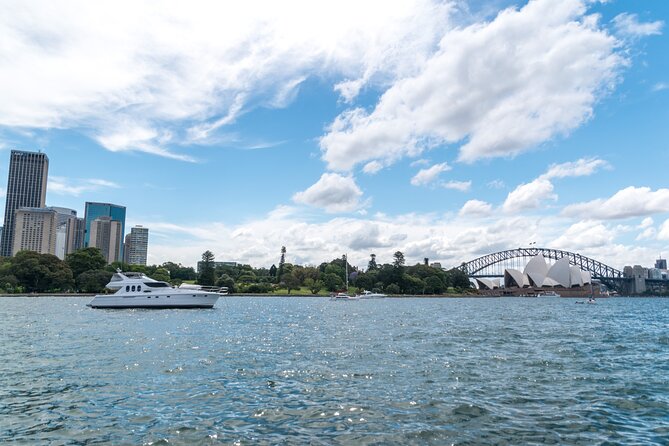
The route is built around a sequence of locations that feel like they belong to different phases of prison life, from muster routines to dock work and finally the convict precinct area. Here’s how to think about each stop and what to watch for.
Muster Station: your first puzzle in the convict mindset
You’ll begin with the first checkpoint, the Muster Station, and you get there by following a clue and solving a puzzle. This first stop matters more than it might sound. It sets the rhythm of the game, and it also trains you on how the clue system expects you to read and react.
Once you arrive, you can spend as much time as you want until you’re ready to move on. I like that approach for puzzle walks because it lets you start confident, not rushed.
What to consider: because it’s your first stop, this is where you’ll be most likely to feel confused if your group is still figuring out how the prompts work. Take a breath here. Get your bearings before you sprint to the next clue.
Another way to fill the same day out of Sydney:




Cockatoo Island waterfront campground: turning atmosphere into clues
Next comes the Cockatoo Island Waterfront Campground. Like the first checkpoint, you reach it by solving and following a clue. This section tends to feel more open and spatial, so your group will likely switch from “puzzle brains” to “location brains.”
The value here is contrast. Early on, you’re being led into a convict story. Later, you’re also learning to navigate the island environment. That combination is the whole point of the escape concept, you earn your way forward by thinking and moving.
Practical tip: keep your phone stable when you’re referencing the next clue. If you’re in a group, decide quickly who holds the device and who scans the area for the correct direction.
Woolwich clue point (5529+VQW): a checkpoint that rewards attention
Then you’ll hit 5529+VQW Woolwich. This is the kind of waypoint that can feel slightly more technical than a named landmark, so I recommend you treat it as a “stay calm and follow the clue precisely” moment.
Why it works: when a game uses coordinate-style references, it reduces ambiguity. If you can follow the prompt reliably, your group can move forward without guessing.
Drawback: if the game’s directions are slightly off due to changing island paths or recent updates, this is where the group might need to spend extra time verifying the exact spot. Again, that’s manageable as long as you keep flexibility.
Sutherland Dock: where the docks make the story feel real
At Sutherland Dock, you’re moving into the island’s working landscape. Dock areas are ideal for this kind of game because they naturally create “routes” and “checkpoints.” Even if you’re not reading every storyline detail, your body understands that this is a place where movement and procedure matter.
This stop is also a good moment to slow down and look around before you attempt the challenge. Docks are busy-feeling places, and your eyes can help you connect what you see with what the clue is likely asking for.
What to consider: this is a stop where a wrong turn can waste time, so I’d rather you trust the clue prompt than rush across open areas hoping it will match.
Fitzroy Dock: the puzzle momentum continues
Then it’s Fitzroy Dock. Like Sutherland Dock, it’s designed to feel like a structured environment rather than random walking. That matters for a self-guided game because it lowers the chance you’ll feel lost.
I like this stop in particular because it’s usually where groups start settling into a teamwork rhythm. Someone can read, someone can solve, and someone can scan for the correct physical cue based on what the game is asking.
And if you already noticed any issues earlier, this is where your group’s “how we handle confusion” strategy pays off. Don’t let one confusing moment snowball. Fix it, then reset.
Historic Residence Precinct: learning without being lectured
Next is the Historic Residence Precinct. This is one of the more “story and information” areas in the route, and it often feels less like a pure puzzle grind and more like a calm checkpoint.
Why it’s valuable: you get a break from the constant decision-making of earlier dock segments. Even though it’s still part of the game, residence areas tend to encourage more looking, more reading, and more connection to what daily life in the precinct might have been like.
Practical consideration: if your group prefers hands-on problem solving over slow reading, you might finish this part faster. That’s fine. The key is to keep moving when you’re ready for the final convict-focused area.
Convict Precinct: finish strong at the final destination
The last stop is the Convict Precinct, where the game ends. The route ends in Birchgrove NSW 2041, so this is your final act and your final transition from puzzle mode back to tourist mode.
I like finales like this because you get closure. You’re not just done when your phone says you’re done, you’re also in the right place to wrap your day with one last look around.
Also, since the tour is private and only your group participates, you can take a moment at the end to compare answers and decide whether your escape plan was more clever than it was lucky.
What I’d watch for: game glitches, wrong cues, and how to respond
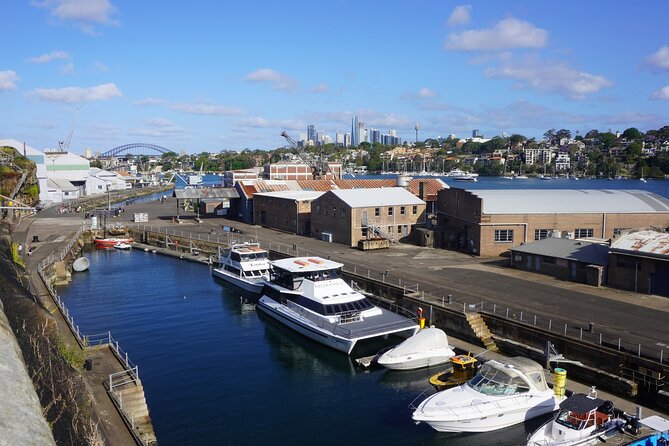
I’m going to be straightforward here. The experience can be excellent, and it can also stumble. One real issue flagged is that the game can sometimes provide incorrect directions, like prompting a left when you should go right, and that some landmark cues may be out of date.
Here’s how to handle that without ruining your day:
- Keep your group together at decision points, don’t let people split far apart.
- If the prompt feels off, stop and re-check the clue, don’t barrel through.
- Expect you might need to backtrack a short distance, especially around changing paths or docks.
- Build a little time buffer into your day. You’ll finish on time more often than not, but flexibility protects the experience.
This is also why I like the “pause and resume” design. Even if you hit friction, you can reset and continue without panic.
Who this convict escape game is best for
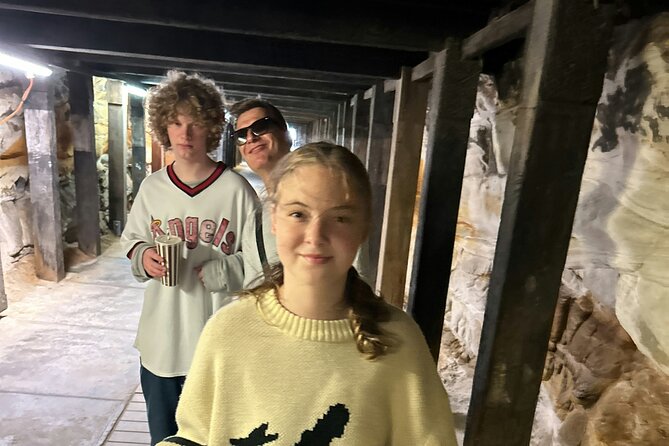
This works especially well if you want a history-themed activity that still feels like play. You’re doing problem-solving while walking real parts of Cockatoo Island and the surrounding precincts.
You’ll likely enjoy it if:
- You’re traveling with friends or family who like games, not just sightseeing.
- Your group wants a self-guided activity with flexibility instead of a strict schedule.
- You want to explore with momentum, different from a slow museum-style tour.
If your group hates puzzles or really needs a guide to translate everything, you might feel under-served. The game is the explanation, and you’re expected to follow it.
Practical logistics: start point, end point, and pacing
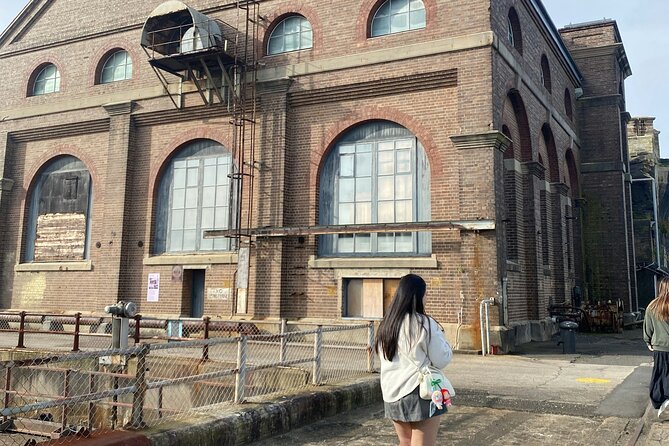
The start point is Cockatoo Island, New South Wales 2110 and the game ends at the Convict Precinct, Birchgrove NSW 2041. That start-to-finish setup helps because you aren’t forced into a loop where you backtrack the same way just to end where you began.
The experience runs daily, and the listed hours cover a long range, from 12:00 AM to 11:30 PM. In other words, you can usually pick a time that fits your day rather than fighting a tight time slot.
The tour is also private, meaning only your group will participate, so you won’t be squeezed by other schedules. And it’s near public transportation, which is useful because it can be easier to plan around without a car.
Should you book the Cockatoo Island Convict Adventure Game?
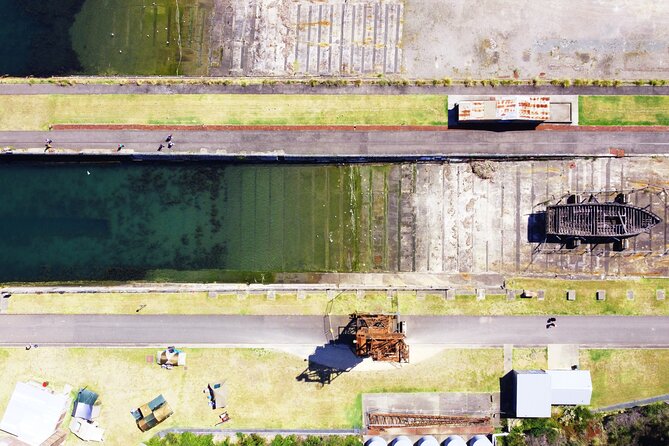
Book it if you want a low-cost, active way to see Cockatoo Island through a convict-themed storyline, with 15 puzzle challenges and enough flexibility to keep the experience fun instead of stressful.
Skip it or think twice if you strongly prefer guided tours with clear narration, or if your group gets frustrated by directions that might not always line up perfectly. Since the game uses prompts, you’ll enjoy it most if you’re patient and ready to backtrack quickly when needed.
If you’re on the fence, I’d use this rule of thumb: if you like treasure hunts, escape rooms, or any “follow clues, solve, move” activity, you’ll probably have a good time here, even with occasional hiccups.
FAQ
How long does the Cockatoo Island Convict Adventure Game take?
The experience is listed as about 1 hour 20 minutes to 1 hour 50 minutes.
Where do I start and where does the game end?
You start on Cockatoo Island, New South Wales 2110. The game final stop is the Convict Precinct, Birchgrove NSW 2041.
Do I need a tour guide for this experience?
No. It’s a self-guided puzzle walk, and it does not include a tour guide.
What do I need to access the game on my phone?
You’ll use a mobile access code, and the experience includes a mobile ticket.
How many puzzle challenges are included?
The experience includes 15 puzzle challenges.
Can I pause and resume during the game?
Yes. The experience is flexible, so you can pause and resume anytime.
Is it a private activity?
Yes. It’s a private tour or activity, so only your group will participate.
Can I cancel for free?
Free cancellation is available. You can cancel up to 24 hours in advance for a full refund.
Latest Sydney additions
- Sydney: Surry Hills Private Food Tour with +8 Local Tastings
★ 5.0 · 1 review - Sydney: Hunter Valley Wine Tour – Choc, Dumplings & Oysters
★ 5.0 · 1 review - Private Transfer FROM Sydney Downtown to Sydney Airport 1-2 pax
★ 5.0 · 1 review - Sydney Harbour Melbourne Cup Cruise
★ 5.0 · 1 review - Sydney: Brewery, Winery, and Distillery Tasting Tour
★ 5.0 · 1 review - Sydney: Watsons Bay Walking Tour
★ 5.0 · 1 review - Sydney: City Hike with Opera Bar Lunch
★ 5.0 · 1 review - Overnight Harbour Cruise Experience
★ 4.0 · 1 review
Sydney Scavenger Hunts, compared.

Explore Sydney’s Secrets In A Series Of Fun Cryptic Clues
Read our review →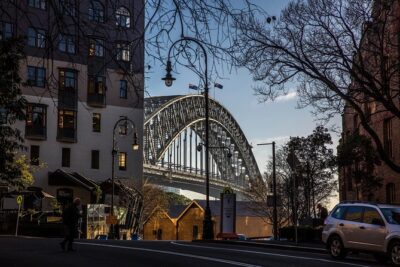
Explore The Rocks Sydney In A Series Of Fun Cryptic Clues
Read our review →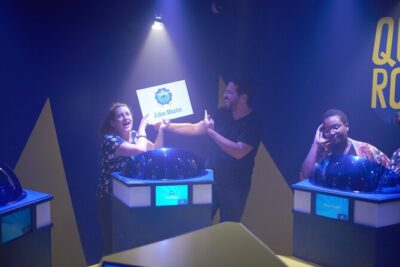
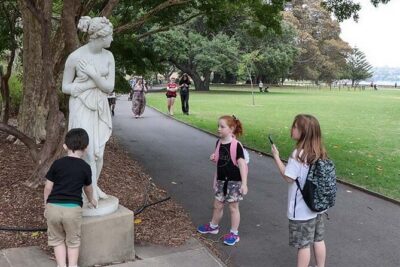
The Mad Botanist Scavenger Hunt For Kids & Families.
Read our review →
Fierce Nights & Neon Lights – Kings Cross Sydney Scavenger Hunt
Read our review →
Explore Bondi Beach In A Series Of Cryptic Clues
Read our review →
Explore Sydney’s Botanic Gardens In a Series of Fun Cryptic Clues
Read our review →More of this kind of Sydney day