
Reviewed · SYDNEY ZOO TICKETS
Sydney Zoo Admission Ticket
Sydney Zoo is an easy win for animal lovers. It packs in 4,000+ animals from around the world, plus the Bungarribee Dreaming experience focused on Aboriginal culture and conservation. The grounds are planned for comfortable wandering, with no hills and no steps, so your day feels less like a workout and more like a visit.
I also like the way the zoo is laid out into clear themed areas, so you always know what to aim for next, from the African Boardwalk to Primate Boulevard and the south-east Asia animal exhibits. One thing to consider is the location in Eastern Creek, if you are coming from central Sydney, because transport time and cost can quietly eat into the value of the ticket.
In This Review
- Key highlights worth planning around
- Sydney Zoo at Eastern Creek: a flat, tech-forward day plan
- Price and value: $38, free parking, and what you should budget
- Your day at Sydney Zoo: how to sequence the zones without rushing
- African Boardwalk: mixed-species habitats you can actually enjoy
- Primate Boulevard and south-east Asia: make shade and sightlines part of your strategy
- Bungarribee Dreaming: cultural learning with a conservation backbone
- The value of conservation: why the ticket feels more purposeful
- Reptile and Nocturnal House: plan your timing for the biggest indoor draw
- Food, shade, and comfort: make your one day feel easy
- Who this fits best, and who might want a different option
- Should you book Sydney Zoo Admission?
- FAQ
- How long is the Sydney Zoo admission ticket valid?
- Where is Sydney Zoo located?
- How much does the ticket cost?
- What is included with the admission ticket?
- Are food and drinks included in the ticket?
- Is there a tour guide with the admission?
- Is Sydney Zoo wheelchair accessible?
- What should I bring to Sydney Zoo?
- Are there any items you cannot bring?
- Is cancellation allowed and can I pay later?
Key highlights worth planning around
- Bungarribee Dreaming: Aboriginal culture learning tied to long-term conservation
- African Boardwalk: mixed-species habitats that feel like a real savannah
- Primate Boulevard: a leafy, easy route built for animal viewing
- Reptile and Nocturnal House: the zoo’s biggest indoor draw
- Hot-day comfort features: mist sprinkler areas plus shade planning on site
Sydney Zoo at Eastern Creek: a flat, tech-forward day plan
Sydney Zoo is in Eastern Creek, right off the Great Western Highway, near the M7 and M4 motorways. The layout is designed with no hills and no steps, which matters more than it sounds. When a zoo is walkable for everyone, you spend your energy watching animals instead of negotiating stairs, slopes, or awkward ground.
The zoo also leans into technology and innovation to help you engage with what you are seeing. That is especially helpful when you are moving fast, like most people do on a one-day visit. You do not have to be an expert on species to make sense of the exhibits. You can just follow the zones, stop when something catches your eye, and still feel like you are learning as you go.
If you are visiting with mobility limits, this kind of design is a big deal. You still need comfortable shoes, but you are not fighting steep grades. It also supports wheelchair access, which makes the whole route more usable.
Price and value: $38, free parking, and what you should budget
The ticket price is $38 per person for a full one-day visit. On paper, that is a normal zoo price for Australia, but the real value depends on two things: where you are starting from and how you plan your day.
The win is that on-site parking is included. That can save you money and stress if you drive. It also helps you stay flexible, since you can park, start early, and move between zones without worrying about paid parking meters or having to rush out.
The catch is transport cost. Eastern Creek is not the closest stop from central Sydney, so the “cheap ticket” math can flip if your bus, train, or rideshare costs are high. If you are relying on public transport, plan your timing carefully so your travel time does not turn the zoo day into an exhausting commute.
Also, food and drinks are not included. So you will want to budget for at least one meal, plus snacks and water, because you will be walking and you will likely work up an appetite.
More entries for Sydney Zoo:
- Blue Mountains Small-Group Tour from Sydney with Scenic World,Sydney Zoo & Ferry★ 5.0 · 3,709 reviews
- WILD LIFE Sydney Zoo★ 4.3 · 240 reviews
- From Sydney: Blue Mountains, Scenic Railway, & Sydney Zoo★ 4.4 · 59 reviews
Your day at Sydney Zoo: how to sequence the zones without rushing
Sydney Zoo is structured like a walking route through themed areas, not a tight timed show schedule. With a one-day ticket, you will get the best results by building a loose plan rather than trying to do everything in a single sprint.
Here is the approach that fits the way the zoo is laid out:
- Start outdoors while animals are active and the light is good.
- Take a culture and conservation pause when you can focus.
- Use the big indoor exhibits as a mid-day anchor, especially in heat.
- Finish with the house and nocturnal viewing sections so you do not feel rushed.
Because there are no hills and no steps, you can adjust your pacing on the fly. If you see a crowd gathering at one habitat, you can stop for a while and then catch up later. If a certain animal is moving more than expected, lean into that instead of following a strict checklist.
And yes, it is a one-day ticket, so you should check starting times based on availability. Plan for a full day, not a quick hit.
African Boardwalk: mixed-species habitats you can actually enjoy
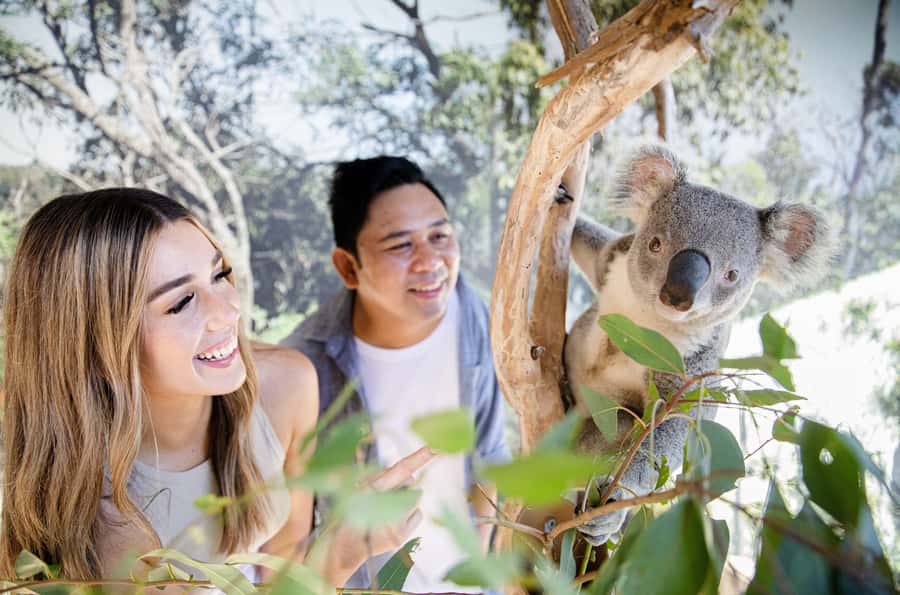
The African Boardwalk is one of the easiest places to begin because it sets the tone for how the zoo wants you to look at animals. It is built around mixed-species habitats, which can help you see how animals share space and routines rather than appearing in isolation.
In practice, these kinds of habitats also tend to deliver better viewing, because there are multiple focal points. You might notice something moving in one area, then track it to see how other animals behave nearby. That keeps your attention engaged without you having to “hunt” for animals.
It is a good zone for early wandering because it is outdoors and you can take your time. If you are traveling with kids, this is also where a relaxed pace usually works well. There is enough to keep people interested without needing constant explanation.
One tip: if you are hoping for close views, plan to slow down near the best viewing points instead of continuously walking. Enclosures can feel bigger when you spend time watching rather than passing through.
Primate Boulevard and south-east Asia: make shade and sightlines part of your strategy
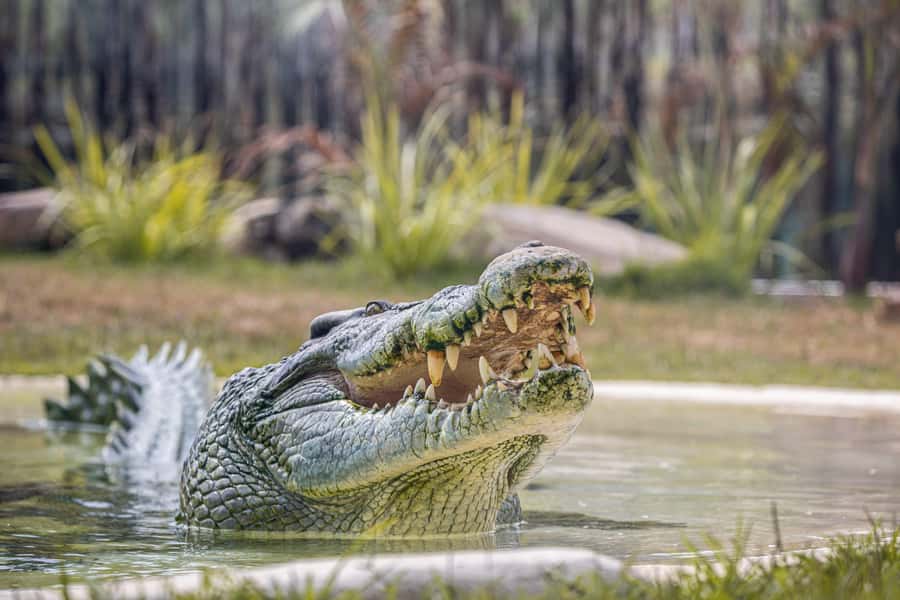
Primate Boulevard is described as leafy, which is exactly what you want on a warm day. Tree cover and shade can make the walk feel more comfortable while you work through the primate-focused exhibits. The zoo’s overall design helps here, because you can keep moving without constantly stopping due to hard terrain.
Then you transition toward south-east Asia animal viewing. This section is where you start getting a mix of native Australian and exotic species, depending on what is on display in that zone. The good news is that the zoo organizes it as a sequence of themed areas, so you are not constantly “guessing” what comes next.
When it gets hot, your best viewing strategy changes. Animals may spend more time in shade, and you may notice them shifting behavior during hotter hours. If you want the best odds of seeing more activity, aim to visit indoor-heavy areas mid-day and return outdoors later.
One small practical note from a hot-day complaint: some paths can get dusty after you leave, and that means you may come home with dust on your shoes. I would bring socks you do not mind washing and consider a quick wipe of footwear if you are walking through multiple zones in dry weather.
More zoos and wildlife parks nearby:


Bungarribee Dreaming: cultural learning with a conservation backbone
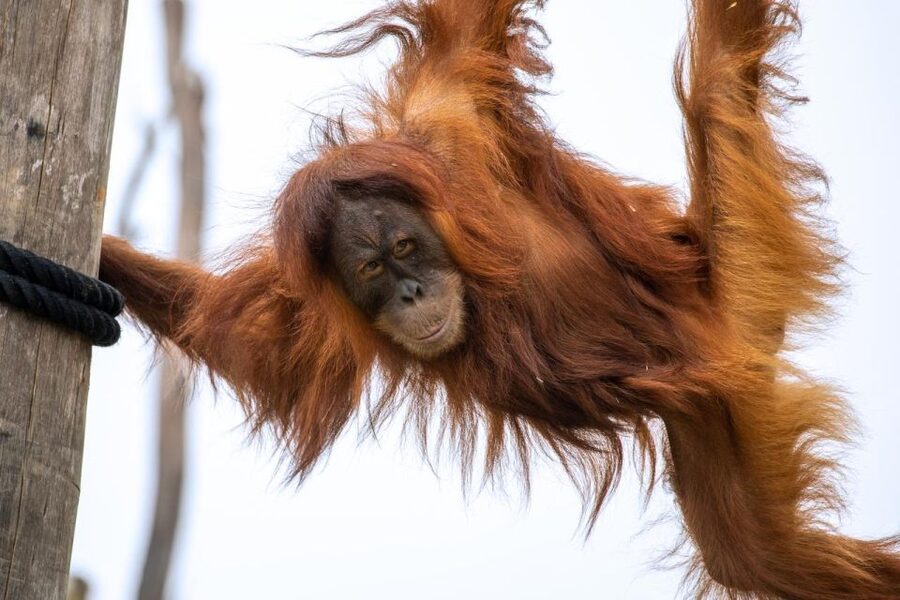
The Bungarribee Dreaming experience is one of the strongest reasons to choose Sydney Zoo over a standard zoo-only day. It brings Aboriginal culture into the visit in a structured way, and the zoo connects that learning to conservation and recovery programs that run long-term.
That matters for how you experience the day. It turns “see animals” into “understand why we protect them.” Even if you are not a museum person, a culture-focused segment gives the rest of the zoo visit more meaning. You will likely leave thinking about what you saw, not just what you photographed.
The zoo is also specifically focused on showcasing First Nations culture with support from technology and innovation. In other words, it is not only signage. You should expect an experience designed to help you connect the cultural learning to the living animals you are about to watch across the grounds.
If you have limited time, choose your moment wisely. Pick a time when you can pay attention without rushing to the next habitat. Treat it like a show break, even though it is a cultural experience.
The value of conservation: why the ticket feels more purposeful
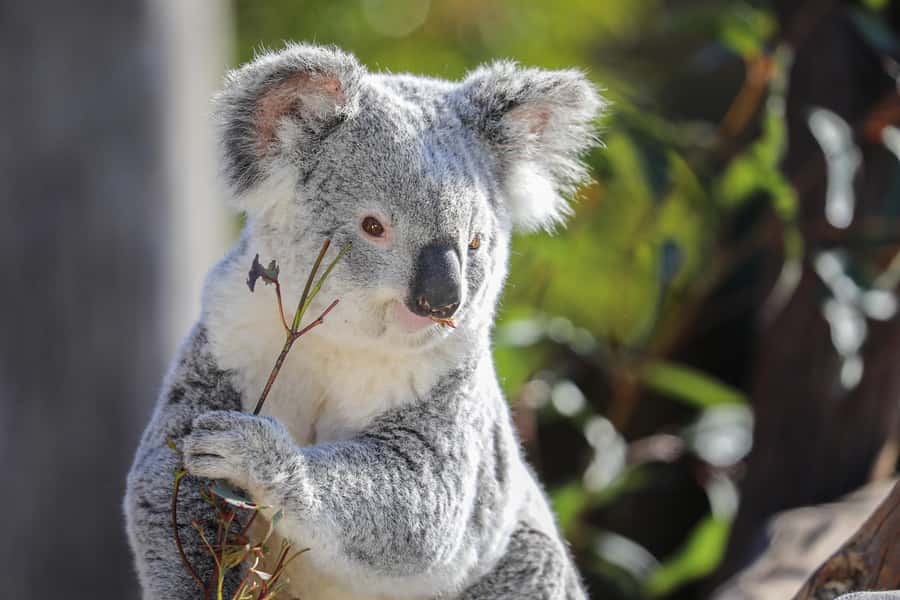
Your ticket is not just paying for animals in place. The zoo frames its work around long-term conservation and recovery programs. While you will not see every project during your visit, the point is that your day supports ongoing efforts rather than being purely transactional.
This is also why the cultural component works so well here. When you learn about land, culture, and responsibility, animal viewing feels less like entertainment and more like participation. That is the kind of motivation that makes a zoo visit stick with you.
If conservation messaging is not your thing, you can still enjoy the day purely as an animal-watching outing. But for many people, having at least one structured learning moment gives the visit a stronger payoff.
Reptile and Nocturnal House: plan your timing for the biggest indoor draw
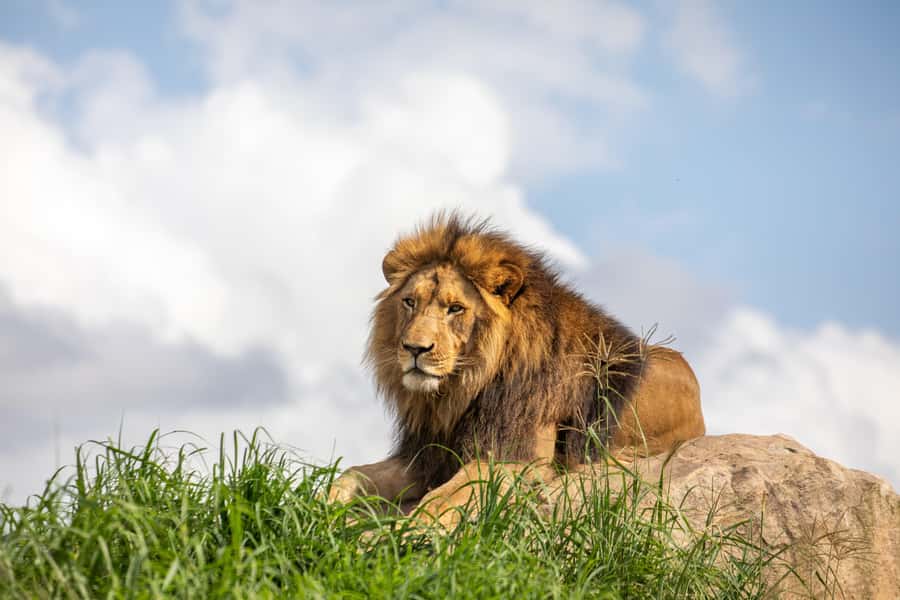
Sydney Zoo is the only combined zoo and aquarium in NSW, and it also has the largest Reptile and Nocturnal House in the world. That indoor space is usually a highlight because it changes your pace. Outdoors you are scanning for movement across larger distances. Indoors you are often closer to the action and the viewing can feel more concentrated.
This is also where you can use time strategically. If you are visiting in summer or on a very hot day, indoor viewing is where you can slow down without roasting. One hot-day tip that came up during a visit: mist sprinkler and shaded areas were helpful when the weather was intense. If those are running during your day, use them as anchor points, not just comfort stops.
Plan to spend meaningful time in the Reptile and Nocturnal House rather than treating it as a quick hallway. Those spaces often reward slower observation. You might spot different activity patterns depending on the time you enter.
Because it is nocturnal-themed, you might also want to set expectations. You are not watching a nighttime safari. You are experiencing a nocturnal-focused exhibit setup during daylight hours. Still, it can be a memorable change from the open-air habitats.
Food, shade, and comfort: make your one day feel easy
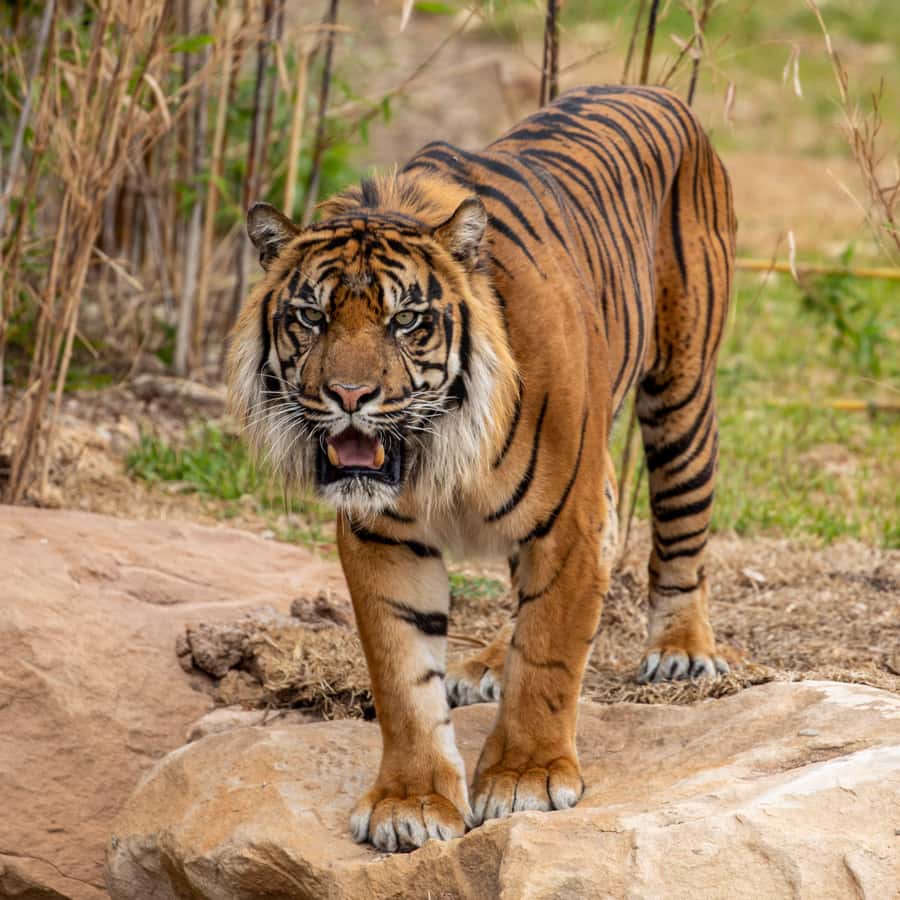
Food and drinks are not included, so you will need to think about energy and comfort. On a hot day, shade and cooling matter, and Sydney Zoo appears to have some practical features to help.
If you are sensitive to heat, plan your route with shade in mind. Animals were reportedly seen moving to stay in shade during hot weather, and you may notice the same pattern as you walk. When the sun hits, you will want to take breaks, especially if you have a hat and need it to actually work for you.
There are also practical complaints that are worth taking seriously when you plan your day:
- Ice block options can be limited, so if you have a specific dietary need, plan ahead.
- Paths can feel dusty when you leave, so consider bringing a small pack of wipes and wearing shoes that can handle dust.
What to bring is straightforward and worth following: comfortable shoes, a hat, a camera, and any personal medication you need. Glass objects are not allowed, so if you are used to carrying a glass water bottle or a glass container for snacks, swap it out before you go.
Who this fits best, and who might want a different option
Sydney Zoo works especially well if you like a full-day walk and you want a mix of experiences. You get:
- big themed zones, including African Boardwalk and Primate Boulevard
- a cultural learning moment through Bungarribee Dreaming
- a major indoor attraction with reptile and nocturnal focus
- support for mobility needs through a no-hills, no-steps design
It is a solid choice for families, animal lovers, and anyone who wants both learning and viewing in one place. It also suits people who prefer wandering over tightly guided schedules, because the admission ticket is essentially your time to explore.
If you are short on time or you dislike long walking days, you might feel pressured to skip parts. In that case, I would still go, but I would choose a priority list: African Boardwalk, one primate area, Bungarribee Dreaming, and then the Reptile and Nocturnal House.
And if you live far away from Eastern Creek, do the math before you buy. The zoo is a good value at $38, but transport costs can turn it into a pricey day. If you are already nearby, it is a much easier call.
Should you book Sydney Zoo Admission?
Yes, you should book if you want a one-day plan that mixes 4,000+ animals, cultural learning through Bungarribee Dreaming, and a major indoor highlight in the Reptile and Nocturnal House. The included on-site parking makes it practical, and the flat, no-steps layout helps you enjoy more of the zoo without fighting the terrain.
I would pause before booking if your biggest issue is travel distance from central Sydney. If your transport plan is expensive or long, the ticket price alone might not reflect your real cost. In that situation, consider either staying closer to the zoo area or aiming for a multi-stop day where the travel time is easier to justify.
FAQ
How long is the Sydney Zoo admission ticket valid?
It is valid for one day. You can check availability to see starting times.
Where is Sydney Zoo located?
Sydney Zoo is in Eastern Creek, on the Great Western Highway, just off the M7 and M4 motorways.
How much does the ticket cost?
The price is $38 per person.
What is included with the admission ticket?
Your ticket includes admission and on-site parking.
Are food and drinks included in the ticket?
No, food and drinks are not included.
Is there a tour guide with the admission?
A tour guide is not included.
Is Sydney Zoo wheelchair accessible?
Yes, it is wheelchair accessible.
What should I bring to Sydney Zoo?
Bring comfortable shoes, a hat, a camera, and any personal medication you need.
Are there any items you cannot bring?
Glass objects are not allowed.
Is cancellation allowed and can I pay later?
You can cancel up to 24 hours in advance for a full refund. You can also reserve and pay later.
Latest Sydney additions
- Sydney: Surry Hills Private Food Tour with +8 Local Tastings
★ 5.0 · 1 review - Sydney: Hunter Valley Wine Tour – Choc, Dumplings & Oysters
★ 5.0 · 1 review - Private Transfer FROM Sydney Downtown to Sydney Airport 1-2 pax
★ 5.0 · 1 review - Sydney Harbour Melbourne Cup Cruise
★ 5.0 · 1 review - Sydney: Brewery, Winery, and Distillery Tasting Tour
★ 5.0 · 1 review - Sydney: Watsons Bay Walking Tour
★ 5.0 · 1 review - Sydney: City Hike with Opera Bar Lunch
★ 5.0 · 1 review - Overnight Harbour Cruise Experience
★ 4.0 · 1 review
Sydney Zoo Tickets, compared.
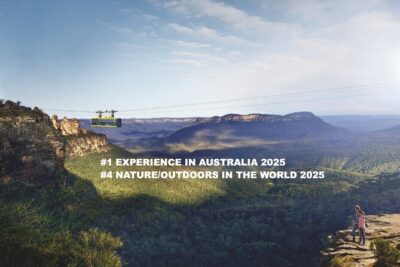
Blue Mountains Small-Group Tour from Sydney with Scenic World,Sydney Zoo & Ferry
Read our review →
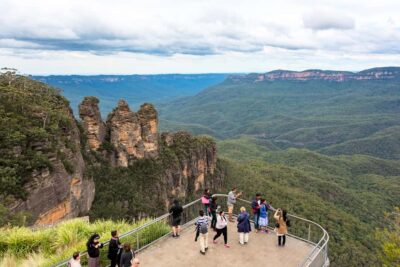
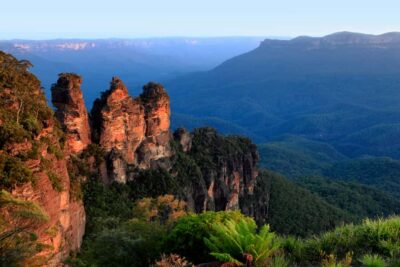

Blue Mountains Private Tours Sydney Zoo or Scenic world Options
Read our review →
More of this kind of Sydney day