
Reviewed · SYDNEY FISH MARKET TOURS
Sydney Fish Market Behind the Scenes Tour
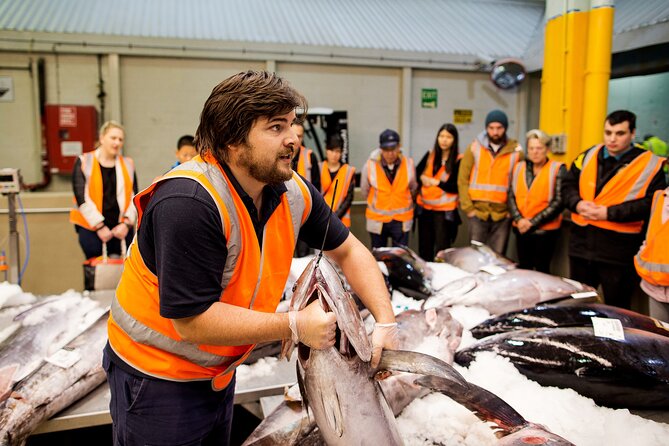
Sydney Fish Market at 6am is louder and smarter than you expect. I like that this behind-the-scenes tour gets you into the places that are normally off-limits, and you’ll see the auction floor in action instead of just hearing about it. I also appreciate the hands-on feel: you suit up in the provided hi-vis gear and boots, then follow a working seafood educator through how fish is sold, graded, sorted, and packed for restaurants.
One real consideration is timing. The tour starts at 6:00 am, so if you hate early mornings, plan around that before you book.
In This Review
- Key takeaways
- The 6:00 am start at Sydney Fish Market (and why it’s worth it)
- Entering the wholesale auction areas you usually can’t access
- Watching the Dutch auction system explained in plain language
- Grading, sorting, and packing: the steps behind your favorite fillet
- Live seafood encounters: lobsters, mud crabs, and giant tuna
- Sustainability and aquaculture talk you can actually use
- Price and logistics: getting your money’s worth for $57.38
- Group size and what it means for your experience
- Who should book this Sydney Fish Market behind-the-scenes tour
- Should you book this tour?
- FAQ
- How long is the Sydney Fish Market Behind the Scenes Tour?
- What time does the tour start?
- Where is the meeting point?
- What is included in the tour price?
- Is transportation included?
- Are tickets mobile?
- Is there an age limit?
- How many people are in the group?
- FAQ
- What is the cancellation policy?
- Can I cancel later than 24 hours before start time?
Key takeaways
- Access to wholesale auction areas that are normally closed to the public
- A clear look at how seafood is graded, sorted, and packed
- Learning the Dutch auction system, with the auction playing out live
- Up-close encounters with live lobsters, mud crabs, and giant tuna
- Small group size (maximum 15), so questions actually get answered
The 6:00 am start at Sydney Fish Market (and why it’s worth it)
This is not a “drop in whenever” kind of tour. Your morning begins at 1 Bridge Rd, Glebe, with the start time listed at 6:00 am. That early hour matters because seafood moves fast. You’re seeing sales systems and sorting work during the busiest, most decision-heavy part of the day, not at a quiet, showroom-like moment.
You’re also getting a true working-market vibe. Even with a guide leading the way, you should expect a bit of hustle, noise, and movement as product is handled. If you tend to rush through attractions, this is your antidote. You slow down because you have to, to keep up with what’s happening around you.
And yes, you’ll be on your feet. The tour includes hi-vis vests and boots to be used during the visit, which helps you fit in with the market environment and keeps things practical. Wear layers you can manage if the morning air is cool but the market activity picks up.
Entering the wholesale auction areas you usually can’t access
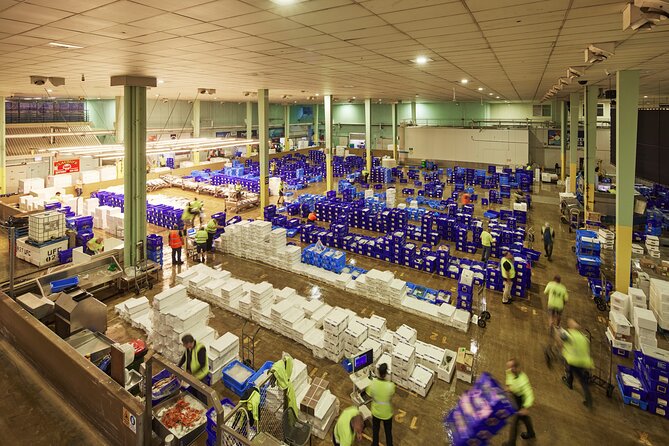
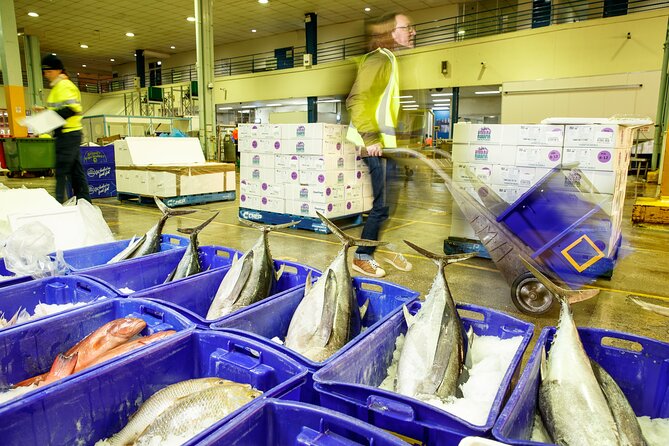
The heart of the experience is the access. You’ll walk through one of Australia’s major seafood hubs and see the 2nd largest wholesale fish auction in the world, along with the surrounding wholesale areas that are normally closed to the public.
This is where the tour earns its value. Outside the market, “seafood” is a label on a menu or a product in a grocery aisle. Inside, you see the chain of real work that happens before food ever reaches a restaurant plate.
What to expect in practical terms:
- You’ll be guided through key sections tied to how seafood gets sold.
- You’ll watch product move through the sales process and into sorting and packaging.
- You’ll get context about the daily life of a working fishmonger, not just a history lesson.
In the reviews, people highlighted how interesting it is to watch the auction take place and to visit the floor where items get graded and packed. That matches the big payoff here: you’re not just told, you’re shown.
Potential drawback of this style, even if it’s the point: it’s not a slow, sit-down museum tour. If you want calm and controlled pacing the whole time, you might find the auction atmosphere more intense than you’re used to.
More mornings at the fish market:
- Sydney Fish Market Discovery Tour★ 4.2 · 10 reviews
- Sydney Fish Market Behind the Scenes Tour★ 5.0 · 10 reviews
- Taste of Sydney Fish Market Food Tour★ 4.5 · 4 reviews
Watching the Dutch auction system explained in plain language
A big theme of the tour is the Dutch auction system. You’ll learn about it as part of how the market conducts sales each day, and you’ll see the auction process happen live.
Why that matters for you: seafood pricing is time-sensitive. Freshness, seasonal supply, and demand all collide quickly, and auctions are one of the ways markets manage that. Even if you never plan to buy fish by the pound yourself, it’s useful to understand how price is formed when the product is perishable and the timing is everything.
Here’s what you’ll likely take away:
- The auction isn’t random. It follows a system designed for wholesale seafood flow.
- The market is built for speed, consistency, and decision-making.
- The educator can connect the mechanics to real-world handling and quality control.
The tour also helps you connect the dots between what you see on the auction floor and what ends up in Sydney restaurants. That’s the difference between knowing facts and understanding a supply chain.
Grading, sorting, and packing: the steps behind your favorite fillet
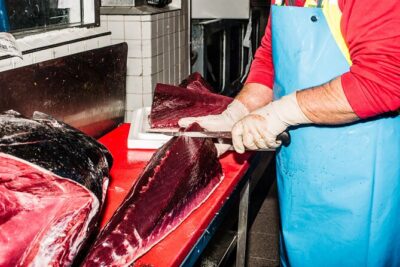
After the auction action, the tour focuses on what happens once product is selected for sale. You’ll visit the floor areas where seafood is graded, sorted, and packed.
This is one of the most useful parts for food lovers, because it answers a question people rarely think to ask: how does a messy pile of catch become consistent product?
You’re likely to notice that quality is not just about species. It also comes down to presentation and handling. The process you’ll see helps ensure restaurants and wholesalers get product that matches expectations for size, condition, and readiness.
In reviews, a standout comment was how satisfying it is to get an introduction to how seafood is sourced, graded, and sold, and then to watch the unique auction process. If you’re the type who likes to understand what’s behind the scenes of good food, this section will feel practical, not just entertaining.
If you’re planning meals on your trip, this part can change how you order. You might start asking servers what kind of supplier they use, or at least appreciate why one cut looks more uniform than another.
Live seafood encounters: lobsters, mud crabs, and giant tuna
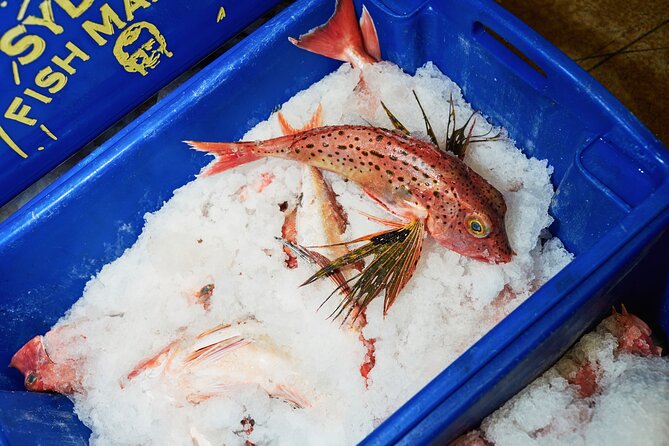
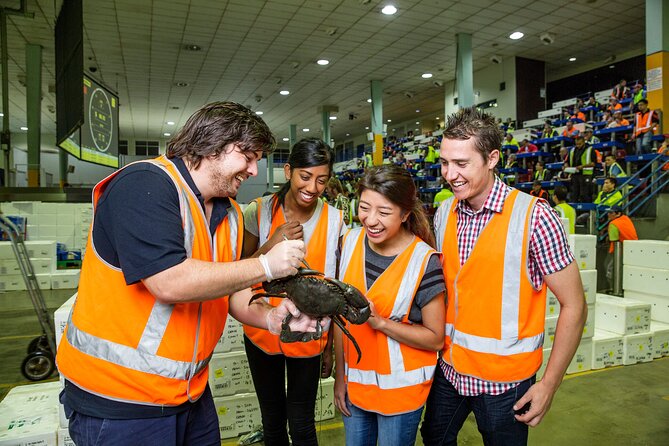
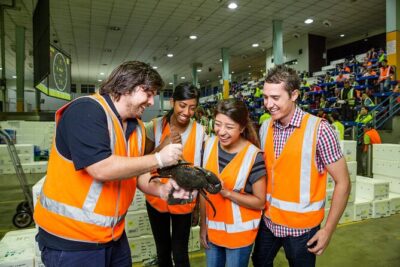
One of the most memorable moments is the live animal element. The tour includes chances to meet live lobsters, mud crabs, and giant tuna.
That kind of close-up contact does two things for you:
- It makes the species list feel real, not abstract.
- It helps you understand why markets take handling so seriously. Live seafood is not just a spectacle, it’s a reminder that freshness and care matter.
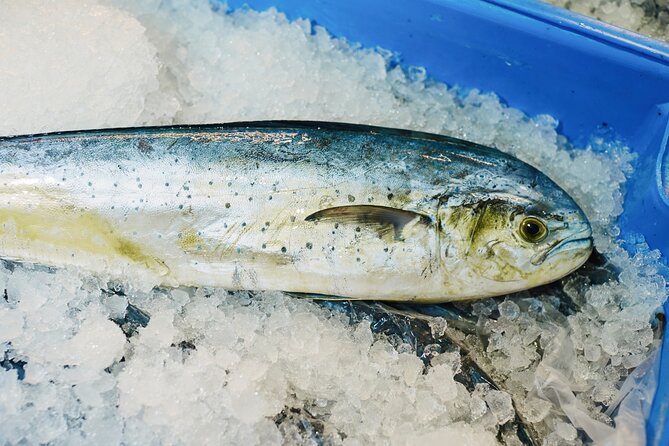
The tour also covers the many different species available on the auction floor. That’s helpful even if you only eat a small set of fish at home, because you’ll start recognizing names and understanding what’s in play at different times.
You don’t have to be a hardcore seafood fan to enjoy this. If you’re curious about what’s actually available in Sydney, live encounters are a fast way to build that mental map.
A few more Sydney options worth weighing



Sustainability and aquaculture talk you can actually use
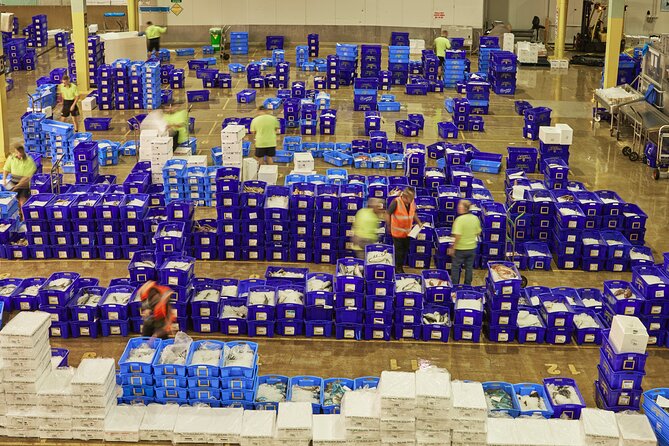
The tour doesn’t only focus on the auction. You also learn how Australia leads in sustainable fishing and aquaculture, with the educator explaining what that means in the context of the market.
This section is valuable because sustainability talk can get fuzzy fast. Here, it’s tied to a working system you can see. You’ll be connecting the ideas to real supply and real handling.
What I’d watch for while you’re there:
- Listen for how sustainability is explained through the market’s operations.
- Pay attention to how aquaculture is presented, since it can sound abstract until you hear how it fits into seafood supply.
- Ask questions. The small group size (maximum 15) makes it easier to get a real answer, not a generic one.
Some of the best tour memories are the ones where you leave with better questions than answers. In this case, the goal is that you start thinking about where your seafood comes from, how it’s managed, and why certain choices show up on menus.
Price and logistics: getting your money’s worth for $57.38
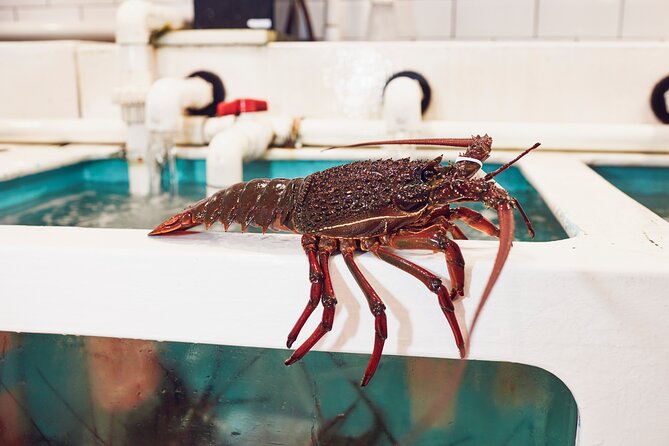
The price is listed at $57.38 per person, and the duration runs about 1 hour 30 minutes to 2 hours. You’ll also see that admission for the main market segment is included as part of the experience.
Here’s how I judge value for this kind of tour:
- You’re paying for access you don’t get on your own, especially to the wholesale auction areas.
- You’re paying for a licensed guide and an educator who can interpret what you’re seeing.
- You’re paying for that early-morning timing, when the market is actively selling and sorting product.
What’s included helps justify the cost: hi-vis vest and boots to be used during the tour, plus a licensed tour guide. What’s not included is transportation, so you’ll want to plan how you’ll get to Glebe. The good news is it’s noted as near public transportation, so you likely won’t need to arrange a private ride.
In practical terms, I’d treat this as a food-and-culture experience, not a casual morning stroll. If you show up expecting a quick look around and leave feeling underwhelmed, that’s on the expectation. This is built for people who want to see the workings of a seafood marketplace.
Group size and what it means for your experience
This tour caps at 15 travelers, which is a big deal. With a small group, you can actually hear the educator and you’re more likely to get your questions answered. It also makes it easier to move through working spaces without feeling swallowed by a crowd.
The reviews place a lot of weight on the guide and the small-group format. People named guides including Tom and Mike, and both were praised for being informative and for bringing real-world perspective.
You can expect the tour to feel like a focused walkthrough rather than a rushed “see it, take a photo, move on” circuit.
If you’re someone who hates crowds and prefers to ask questions, this structure fits well.
Who should book this Sydney Fish Market behind-the-scenes tour
This is a great match if you:
- Love food and want a real-world look at how seafood gets to restaurants
- Enjoy learning systems, like how auctions work and how sorting is done
- Like small groups and guided explanation
- Are in Sydney early enough to start at 6:00 am
It’s also a good fit for travelers who want something different from the usual sightseeing. You’re not looking at a building, you’re watching an industry.
It may not suit you as well if:
- You’re traveling with kids. The tour states no children under 13 are permitted.
- You dislike early mornings and standing for a working-tour style.
- You want a slow pace with lots of free time for wandering on your own.
Should you book this tour?
If you’re in Sydney and you want one experience that connects food on your plate to the real supply chain behind it, this is a smart pick. The access to wholesale auction areas that are normally closed, the live look at how product is graded and packed, and the auction education around the Dutch auction system are strong reasons to book.
I’d book it if you can handle a 6:00 am start and you’re comfortable moving through an active market. If you’re chasing a relaxed, late-morning vibe, you might want to skip this one and pick a different kind of tour.
FAQ
How long is the Sydney Fish Market Behind the Scenes Tour?
The tour runs about 1 hour 30 minutes to 2 hours.
What time does the tour start?
The tour starts at 6:00 am.
Where is the meeting point?
The meeting point is 1 Bridge Rd, Glebe NSW 2037, Australia.
What is included in the tour price?
The tour includes a licensed tour guide, and you’ll be provided hi-vis vest and boots to be used during the tour.
Is transportation included?
No, transportation is not included.
Are tickets mobile?
Yes, the tour uses a mobile ticket.
Is there an age limit?
Yes. No children under age 13 are permitted on the tour.
How many people are in the group?
The tour has a maximum of 15 travelers.
FAQ
What is the cancellation policy?
You can cancel for a full refund up to 24 hours before the experience’s start time.
Can I cancel later than 24 hours before start time?
If you cancel less than 24 hours before the experience’s start time, the amount paid is not refunded.
More Shopping Tours in Sydney
- Sydney Harbour and Fish Market Sightseeing Cruise
★ 5.0 · 1 review
Latest Sydney additions
- Sydney: Surry Hills Private Food Tour with +8 Local Tastings
★ 5.0 · 1 review - Private Transfer FROM Sydney Downtown to Sydney Airport 1-2 pax
★ 5.0 · 1 review - Sydney: Hunter Valley Wine Tour – Choc, Dumplings & Oysters
★ 5.0 · 1 review - Sydney Harbour Melbourne Cup Cruise
★ 5.0 · 1 review - Sydney: Brewery, Winery, and Distillery Tasting Tour
★ 5.0 · 1 review - Sydney: Watsons Bay Walking Tour
★ 5.0 · 1 review - Sydney: City Hike with Opera Bar Lunch
★ 5.0 · 1 review - Overnight Harbour Cruise Experience
★ 4.0 · 1 review
Sydney Fish Market Tours, compared.

Sydney Fish Market: Tide to Table Seafood Tour with Drink
Read our review →
Sydney Harbour and Fish Market Sightseeing Cruise
Read our review →More of this kind of Sydney day