
Reviewed · SYDNEY FISH MARKET TOURS
Sydney Fish Market Behind the Scenes Tour
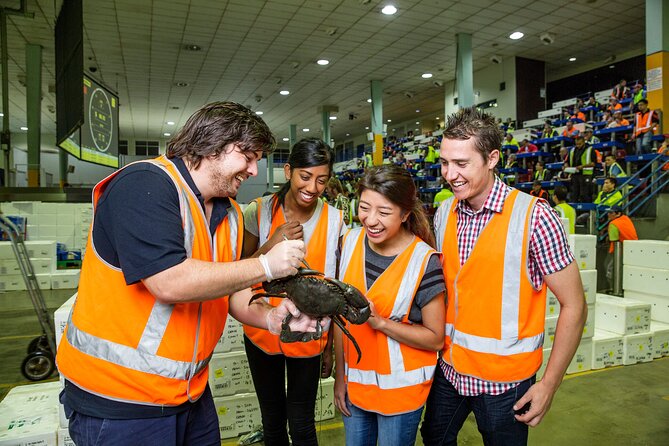
Fish auctions start before breakfast. This behind-the-scenes Sydney Fish Market tour takes you into the auction floor and explains the Dutch auction system in plain language. I especially like that you get hands-on seafood action, from seeing tuna filleting to live prep demos, not just a slideshow.
The tour is priced at $56 for a reason, you see how a major seafood marketplace actually works, with over 100 species in the blue crates and live activity you normally cannot watch. One consideration: it runs very early, and the auction floor has strict rules for shoes and movement, so it is not a casual stroll.
In This Review
- Key things you will notice
- Sydney Fish Market tour access, what feels special about the auction floor
- Meeting point at 1 Bridge Road, and what to wear on the early start
- How the Dutch auction works, and why it matters when seafood moves fast
- Blue crates and 100+ seafood species, from fan favorites to oddities
- Live demos you can actually watch, tuna filleting, lobster life, sushi prep, oysters
- Where the 2 hours go, and how the small group changes the experience
- Price and value, why $56 makes sense for this kind of access
- Who should book, and who should skip this one
- Should you book this Sydney Fish Market Behind the Scenes Tour?
- FAQ
- How long is the Sydney Fish Market behind-the-scenes tour?
- How much does the tour cost?
- Where do I meet the guide?
- What should I wear or bring?
- Is food or drinks included?
- What will I see during the tour?
- Is the auction floor wheelchair or pram friendly?
- Is the tour suitable for children?
- What time do I need to arrive?
- Can I cancel for a full refund?
Key things you will notice
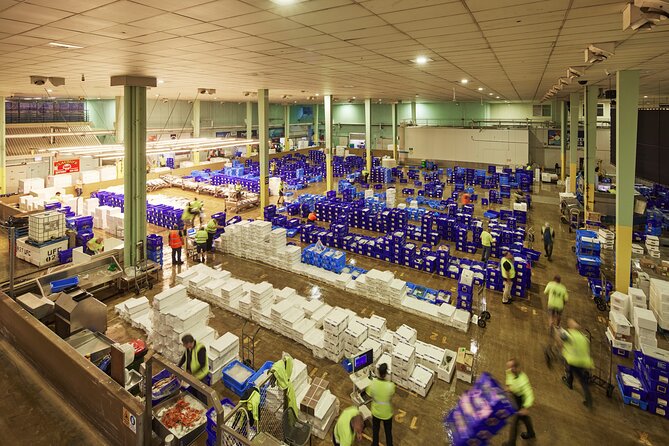
- Dutch auction in action: prices move fast with 150+ buyers and 50+ tonnes of seafood traded
- Over 100 species in blue crates: familiar fish plus weird, new-to-you varieties
- Live seafood prep: tuna filleting, sushi prep, oyster shucking, and more
- Auction-floor access: the busy trading area is usually closed to the public
- Small group format: limited to 10 participants, with safety footwear included
Sydney Fish Market tour access, what feels special about the auction floor
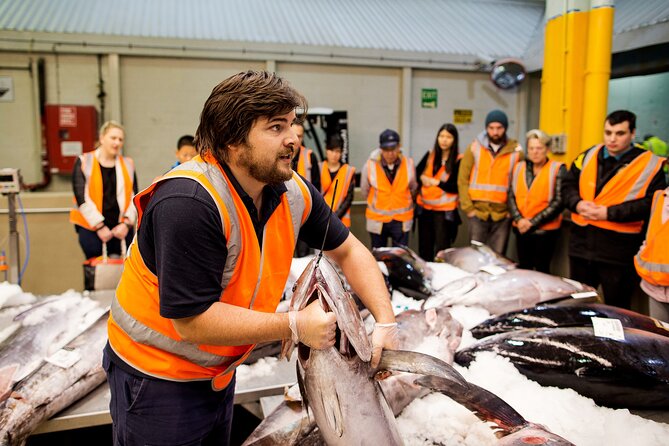
This tour makes the Sydney Fish Market feel like a working machine, not a tourist exhibit. You are seeing seafood during the moment it becomes product, with people bidding, sorting, and moving it out fast. That is the key difference here. Many food tours show you results. This one shows you the process.
I like the way the guide keeps the focus on how the market works day to day. You learn the logic behind pricing and buying, why certain fish show up in certain ways, and how the auction system supports speed and fairness for so many buyers. If you care about food supply chains at all, this is a rare chance to watch it live.
The setting also matters. The fish market is famous, and the scale is real. You are walking through the largest fish market in the Southern Hemisphere, seeing a huge variety of seafood types packed into the famous blue crates. Even if you already eat seafood regularly, you will likely spot species you have never seen on a menu.
Meeting point at 1 Bridge Road, and what to wear on the early start
You meet at the LG Information Hub at Sydney Fish Market, 1 Bridge Road, Glebe. That meeting point is on the ground level on the side closest to the city. From there, you go up to Level 1 in the main arcade area where the guide will meet the group and you will wait briefly on the black couches.
The timing is the part that catches people. You should arrive by 5:50am for check-in. The earlier start is not a gimmick, it lines up with the market operations you are here to see. If you are used to sleeping in on holidays, plan for an early day.
For clothing, keep it simple and practical. Bring comfortable shoes, a jacket, and socks. Safety footwear is provided for the auction floor, but you still need socks for comfort with the provided footwear. Avoid high heels and open-toed shoes. Hats are not allowed. Also, there is no smoking and no littering, because you are standing in a working food environment.
One more practical note: the auction floor does not allow wheelchairs or prams. If you need stroller access or wheelchair access during the trading portion, this tour will not work for you as described. The good news is that the tour format is built for a small group and quick movement, so you do not feel like you are stuck waiting around.
More mornings at the fish market:
- Sydney Fish Market Discovery Tour★ 4.2 · 10 reviews
- Sydney Fish Market Behind the Scenes Tour★ 5.0 · 9 reviews
- Taste of Sydney Fish Market Food Tour★ 4.5 · 4 reviews
How the Dutch auction works, and why it matters when seafood moves fast
The tour’s brain comes from one topic, the Dutch auction system. You are not just told the concept, you watch it happening. That makes it stick.
Here is the basic idea you will take away: seafood is presented for sale in a way that helps buyers make decisions quickly as the price changes. Instead of one fixed price that takes time to negotiate, the auction format allows the market to move goods efficiently to buyers. With so many buyers involved, speed matters. The market is selling over 50 tonnes of fresh seafood to 150+ buyers, so the system has to support rapid buying and consistent flow.
During the walk, your guide explains the auction floor routine and what you are seeing from the outside. You should expect to hear about quality checks carried out before or during the trading process. That is a big part of the value here. If you have ever wondered why some fish show up as certain cuts or why freshness is such a serious topic, the tour gives you context for what is checked and why.
Also, watching it live helps you understand the human side. You see how traders operate as a team, how information moves, and how bids happen fast in a high-activity space. You can learn the theory in a book, but watching it in action gives you a real sense of pace and pressure.
Blue crates and 100+ seafood species, from fan favorites to oddities
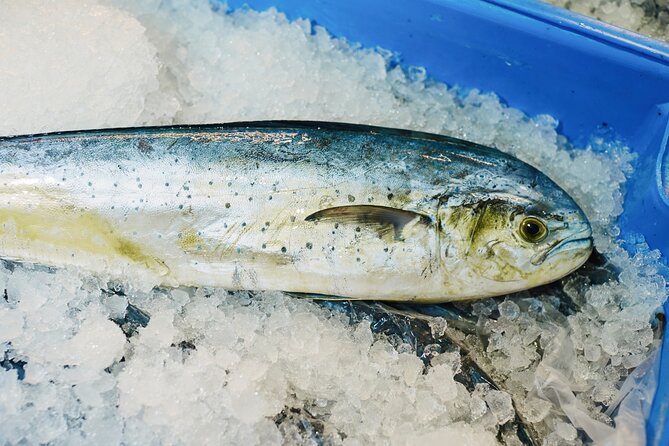
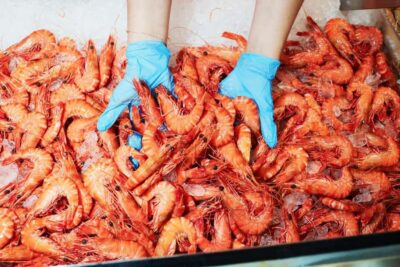
One of my favorite parts of this tour is the sheer variety. You see over 100 seafood species in the market’s famous blue crates. You will likely recognize some, but the main point is that you also get exposed to the weird and wonderful types of Australian seafood that do not always show up in your usual local stores.
This is where the tour turns from educational to fun. You start asking questions like, What is this used for? How do people cook it? Is it tender or firm? Is it sold as a whole fish or prepared for a specific use? The guide’s job is to connect what you are seeing with how the market sells it, so the answers feel grounded rather than like trivia.
If you are a seafood fan, this section can feel like a living ingredient guide. If you are less adventurous, it still works, because you can compare what you know with what is new. Either way, it gives you a mental map of the kinds of species that exist beyond the usual supermarket rotation.
The other nice touch is that the crates and the auction setting make the variety feel practical. This is not just “look at these animals.” It is “this is the inventory people buy and sell every day.” That perspective helps you understand why menus can vary so much between restaurants, and how local seafood culture develops from what is available in this kind of market.
Live demos you can actually watch, tuna filleting, lobster life, sushi prep, oysters
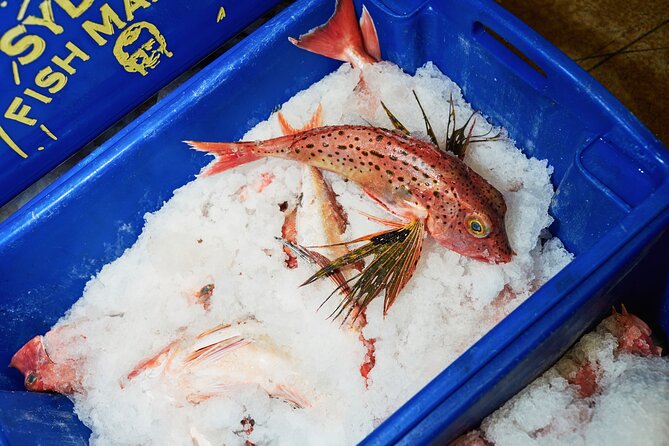
The tour does not stop at viewing. You also see live preparation work. Expect tuna filleting, live lobsters, sushi prep, oyster shucking, and more.
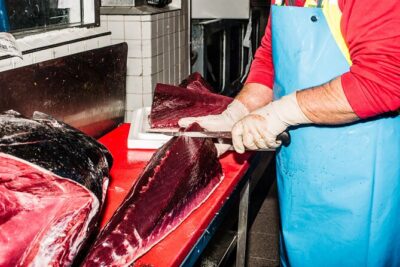
Watching tuna filleting is one of those experiences that makes you rethink how “simple” fish preparation really is. The speed and precision stand out. It is not just cutting, it is turning a whole product into usable portions that can match what buyers and kitchens need. For food lovers, it is satisfying to see craft in action.
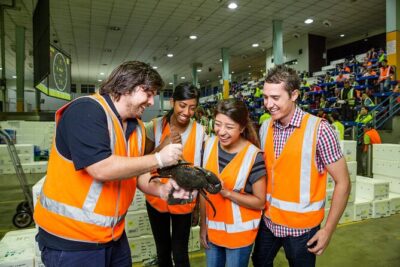
Live lobsters add a different kind of realism. You are not looking at a photo. You see how seafood looks and behaves before it becomes a plate. That detail makes the whole market feel more connected to the real world of sourcing.
Oyster shucking and sushi prep also matter, even if you never plan to do them yourself. They show you how specialized seafood handling can be. Different seafood types need different prep techniques, and seeing those techniques helps you understand why certain products taste the way they do. You start to connect texture and finishing methods to the final experience at a restaurant or at home.
If you are the type who learns best by watching, this is a strong fit. If you prefer sitting and reading, the tour still works, but you will get the most out of it by staying alert, asking what you do not recognize, and paying attention to how the demo matches what the market sells.
A few more Sydney options worth weighing

Where the 2 hours go, and how the small group changes the experience
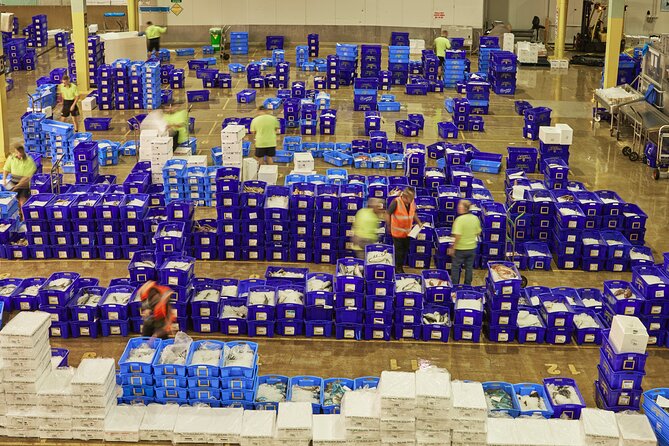
You get a guided tour for 2 hours. That length is just right for a market visit like this, because it gives time to cover the auction floor activity, the Dutch auction explanation, the blue crate species viewing, and the live prep demonstrations without turning into a half-day marathon.
The group size is limited to 10 participants. That matters more than it sounds. In a working market, small groups move faster and you get clearer sightlines for the demos and the auction floor observations. It also helps the guide manage questions and keep the group together while walking through an active space.
You also should expect to spend time standing. Comfortable shoes matter for that reason. Even with safety footwear provided, your comfort still depends on your base layer, your socks, and your willingness to stand and look closely. If you are sensitive to early mornings or long standing, plan accordingly.
Price and value, why $56 makes sense for this kind of access
At $56 per person for a 2-hour guided tour, the value comes from access plus live demonstrations. You are paying for entry into areas that are normally closed to the public, the guidance that explains the auction process, and time spent watching preparation work like tuna filleting, sushi prep, and oyster shucking.
You also get a small but important inclusion: safety footwear for the auction floor. That is not just an extra item. It’s part of being able to do the tour safely and comfortably inside an active marketplace.
Food and drinks are not included. So if you are doing this early, you may want to plan a breakfast plan before or after, depending on what your morning routine allows. Transportation to and from the market is also not included, so you will need to handle getting there on your own.
To me, the price feels fair because it is not a long, generic walk-through. You are watching how the market sells seafood, and you are seeing more than one type of live prep. That blend is what turns the tour into a practical education you can take into real life, even if seafood is not your main hobby.
One more value note from the guide experience: in prior tours, guides like Mark, described as an experienced fisherman, have led groups through aspects of the market with strong context. Another guide, Mike, has been praised for lots of interesting facts. Even if you do not know anything about seafood going in, that kind of guidance helps you translate what you see into understanding.
Who should book, and who should skip this one
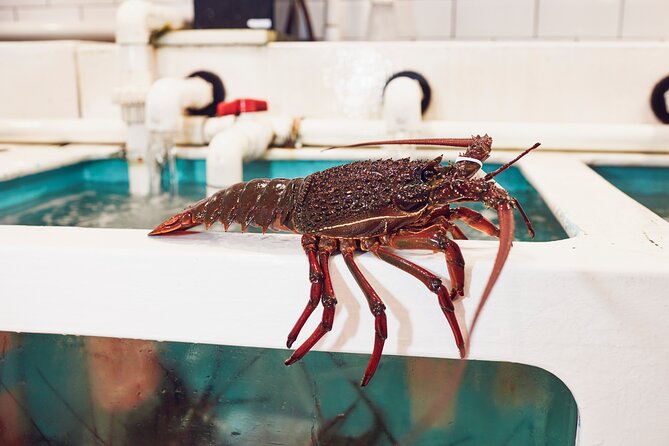
This tour is a great fit if you are curious about how food gets to you, and you want to see the market in operation. It is especially good for seafood lovers, food geeks, and anyone who enjoys practical behind-the-scenes stories with real visuals.
It is also a strong choice if you want live demonstrations. Watching tuna filleting, lobster activity, sushi prep, and oyster shucking is a much more vivid way to learn than reading recipes.
Skip it if you want a relaxed, slow-paced experience. It is early, you stand, and the market space has rules. Also skip it if you need wheelchair access or you plan to bring a pram, because those are not allowed on the auction floor.
Age matters too. The tour is not suitable for children under 10. If you are traveling with kids, double-check whether they can handle an early morning and a rule-heavy environment.
Should you book this Sydney Fish Market Behind the Scenes Tour?
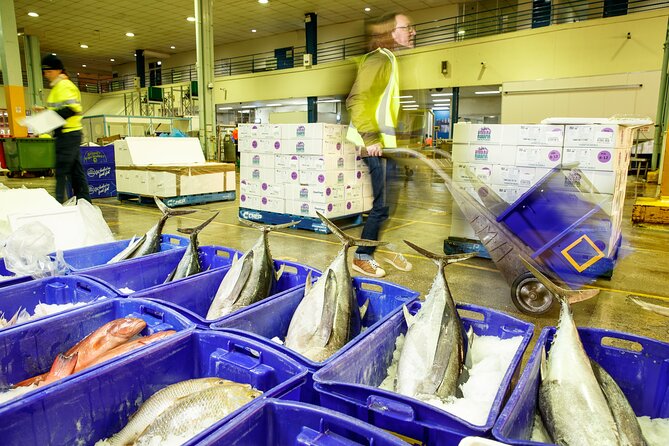
Yes, you should book it if you want real access and you like learning by watching. For $56, you get the Dutch auction system explained while you see it happening, plus over 100 seafood species in the blue crates and live prep demos like tuna filleting, sushi prep, and oyster shucking. That is a lot of “before it hits your plate” learning in just 2 hours.
Do not book if early mornings and standing are a problem for you, or if you need wheelchair or pram access to the auction floor. Also, since no food or drinks are included, plan a simple breakfast before or after, so you are not trying to sort out a meal while your day is already moving fast.
If you are the type who always wonders where food comes from, this tour answers it in the most direct way possible: you watch seafood get bought and prepared in real time.
FAQ
How long is the Sydney Fish Market behind-the-scenes tour?
The tour lasts 2 hours.
How much does the tour cost?
The price is $56 per person.
Where do I meet the guide?
Meet at the LG Information Hub, Sydney Fish Market, 1 Bridge Road, Glebe. It is on the ground level on the side closest to the city.
What should I wear or bring?
Wear comfortable shoes and bring socks and a jacket. Safety footwear is provided for the auction floor.
Is food or drinks included?
No. Food and drinks are not included.
What will I see during the tour?
You will visit the auction floor, learn about the Dutch auction system, see over 100 seafood species in the blue crates, and watch live demonstrations including tuna filleting, live lobsters, sushi prep, and oyster shucking.
Is the auction floor wheelchair or pram friendly?
No. Wheelchairs or prams are not allowed on the auction floor.
Is the tour suitable for children?
It is not suitable for children under 10.
What time do I need to arrive?
Arrive by 5:50am for check-in.
Can I cancel for a full refund?
Yes. You can cancel up to 24 hours in advance for a full refund.
More Shopping Tours in Sydney
- Sydney Harbour and Fish Market Sightseeing Cruise
★ 5.0 · 1 review
Latest Sydney additions
- Sydney: Surry Hills Private Food Tour with +8 Local Tastings
★ 5.0 · 1 review - Sydney: Hunter Valley Wine Tour – Choc, Dumplings & Oysters
★ 5.0 · 1 review - Private Transfer FROM Sydney Downtown to Sydney Airport 1-2 pax
★ 5.0 · 1 review - Sydney Harbour Melbourne Cup Cruise
★ 5.0 · 1 review - Sydney: Brewery, Winery, and Distillery Tasting Tour
★ 5.0 · 1 review - Sydney: Watsons Bay Walking Tour
★ 5.0 · 1 review - Sydney: City Hike with Opera Bar Lunch
★ 5.0 · 1 review - Overnight Harbour Cruise Experience
★ 4.0 · 1 review
Sydney Fish Market Tours, compared.

Sydney Fish Market: Tide to Table Seafood Tour with Drink
Read our review →
Sydney Harbour and Fish Market Sightseeing Cruise
Read our review →More of this kind of Sydney day